


THE PASSIVE INVESTOR’S GUIDE

The Passive Investor’s Guide to Building Wealth Through Apartments

A practical, step-by-step introduction to owning apartments without becoming a landlord. Passive apartment investing allows you to invest alongside an experienced owner and operator while someone else handles the work.

This guide explains how passive apartment investing works, why investors consider it, and the practical steps to evaluating whether it belongs in your portfolio.

Schedule A Conversation
Step 001

Understand Why Investors Choose Apartments

Apartments serve a fundamental need: people need places to live. They can also operate as businesses that generate recurring revenue from residents.

01
Potential Passive Income
Rent creates recurring property revenue. After expenses, debt service, reserves, and other obligations, available cash flow may be distributed to investors.
02
Long-Term Appreciation
Property values may increase as rents grow, operations improve, debt is reduced, and market conditions change.
03
Diversification
Apartments add physical real estate to portfolios that may otherwise be concentrated in stocks, bonds, retirement accounts, or private businesses.
04
Potential Inflation Hedge
Rents and property values may increase over time, while fixed-rate debt remains fixed.
05
Potential Tax Benefits
Depreciation and other deductions may provide potential tax advantages depending on the investment and individual circumstances.
06
Professional Ownership
Participate in apartment ownership without personally managing rent, employees, maintenance, financing, construction, or residents.
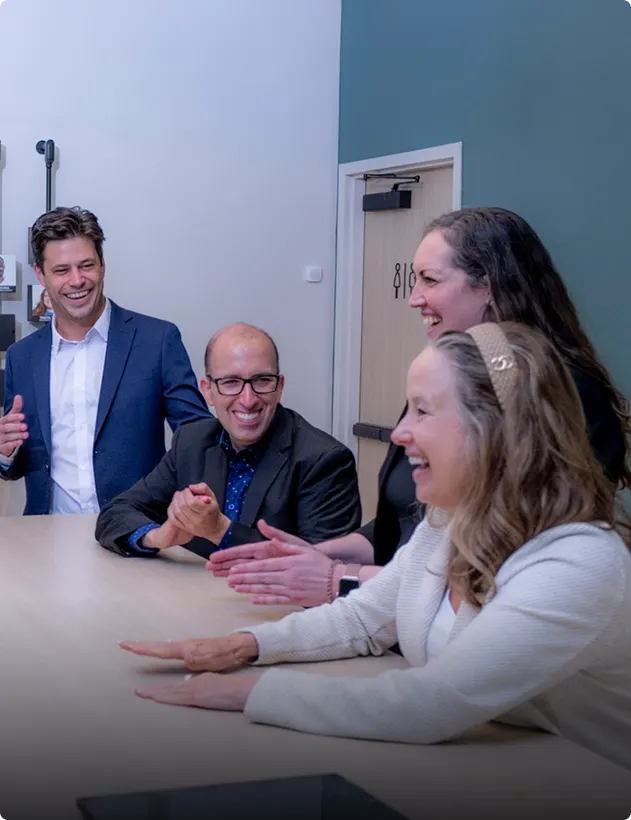
Mitch Painter and Matt Painter at Prestige Properties office.
Step 002

Understand Why Investors Choose Apartments

You would need to find the property, negotiate the purchase, conduct due diligence, arrange millions of dollars of financing, provide the equity, obtain insurance, develop a renovation plan, hire employees and contractors, lease apartments, collect rent, manage residents, maintain the property, oversee accounting, and eventually determine when to refinance or sell.
Passive investing separates the investment from those day-to-day responsibilities. The operating partner handles the work. The passive investor provides capital and receives an ownership interest in the investment.
At Prestige, our team handles the investment process from acquisition through operations. Importantly, we also invest our own capital alongside our investors, so we are financially committed to the opportunities we offer.
Step 003

Understand How an Apartment Investment Can Make Money

Apartment investments generally have three primary potential sources of investor return: cash flow, appreciation, and the potential proceeds from a sale or refinancing.

01
Cash Flow
The property collects rent and other income. From that revenue, the property pays expenses such as payroll, maintenance, utilities, insurance, property taxes, management costs, and mortgage payments.
02
Appreciation
The property may become more valuable during the investment period. Some appreciation may come from market conditions, but experienced apartment operators do not necessarily want to rely exclusively on the market.
03
Sale or Refinancing
If the property increases in value, ownership may eventually refinance it or sell it. A refinancing may allow some capital to be returned while investors continue owning the property. A sale concludes the investment and distributes.
Disclaimer
Every investment is different, and none of these outcomes should be assumed or guaranteed.
Step 004

Learn How Value is  Actually Created

Buying an apartment community is only the beginning—the quality of execution after acquisition can have an enormous impact on the investment and its underlying value.

A Business Plan May Include
Renovating outdated apartment interiors
Improving kitchens and bathrooms
Updating common areas
Improving landscaping and curb appeal
Completing deferred maintenance
Improving leasing and marketing
Increasing occupancy
Bringing below-market rents closer to market levels over time
Improving resident retention
Managing operating expenses
Step 005

Understand the Power of Increasing Property Income

One of the most important concepts in apartment investing is surprisingly simple:
A better-performing property is generally a more valuable property.
Suppose an apartment community has outdated units, below-market rents, unnecessary expenses, or operational inefficiencies. An experienced owner may see an opportunity. Renovating apartments and improving operations can increase the property's net operating income, commonly called NOI.
NOI is essentially the property's income after operating expenses but before mortgage payments and certain other costs. In commercial real estate, property value is closely tied to NOI and the capitalization rate investors are willing to accept. That means even relatively modest improvements in income across dozens or hundreds of apartments can create meaningful additional property value. This is one reason operating experience matters so much.
Step 006

Understand the  investment structure

Passive apartment investments are typically made through a legal entity created to own the property.

‍Rather than personally owning Apartment 101 or 202, an investor owns an interest in the entity that owns the apartment community.
The operating partner—or sponsor—manages the investment.

Purchase price
Financing
Planned improvements
Investment strategy
Minimum investment
Target investment period
Projected cash flow
Target investor returns
Fees
Distribution structure
Potential risks
Exit strategy
Step 007

Know What to Look for  in an Operator

The people operating it matter just as much. When evaluating a passive real estate investment, don't look only at the projected return.

‍Ask who is responsible for actually making the business plan happen.

Consider:
Renovating outdated apartment interiors
Improving kitchens and bathrooms
Updating common areas
Improving landscaping and curb appeal
Completing deferred maintenance
Improving leasing and marketing
Increasing occupancy
Moving below-market rents toward market rates
Improving resident retention
Managing operating expenses
Step 008

Look Beyond the  Projected Return

A disciplined investor should look closely at what assumptions have to occur for that return to be achieved. If an investment projects significant rent increases, ask whether current market rents support them.
If the plan assumes a future sale price, understand how that value was calculated.
If renovations are central to the strategy, understand the renovation budget and expected return on those improvements.
Purchase price
Existing rents
market rents
Renovation assumptions
Financing terms
Reserves
Future sale assumptions
Current property income
Occupancy
Operating expenses
Interest-rate exposure
Projected rent growth
Mitch Painter and Matt Painter at Prestige Properties office.
Step 009

Understand the Risks—and How Experienced Ownership Can Help Manage Them

Every investment involves risk, and apartment investing is no exception.

Potential risks include:
Renovating outdated apartment interiors
Improving kitchens and bathrooms
Updating common areas
Improving landscaping and curb appeal
Completing deferred maintenance
Improving leasing and marketing
Increasing occupancy
Bringing below-market rents closer to market levels over time
Improving resident retention
Managing operating expenses
Step 010

Decide Whether Passive Apartment Investing Fits Your Portfolio

Passive apartment investing isn't right for everyone.

Want to diversify beyond stocks and bonds
Prefer owning tangible assets
Are interested in potential passive income
Want exposure to real estate without becoming a landlord
Are looking for assets that may provide a hedge against inflation
Have capital you can invest for several years
Understand that returns are not guaranteed
Are comfortable with an illiquid private investment
What role do I want real estate to play in my overall portfolio?
The answer is more important than simply asking whether a particular investment has an attractive projected return.
Step 011

Get to Know the Operator Before the Opportunity

One of the worst times to begin evaluating an investment manager is when an attractive opportunity has just been announced and you feel pressure to make a decision. Get to know the people beforehand.
Learn their history. Understand their investment philosophy. Ask questions. See how they operate. Understand how they communicate. Determine whether their approach fits yours. That is why Prestige is building investor relationships before our next opportunity becomes available.
Since 1998, we have primarily invested our own capital. As we see what we believe is an attractive opportunity emerging in multifamily real estate, we're beginning to invite a select group of accredited investors to invest alongside us. We would rather develop relationships now than introduce ourselves for the first time when we're asking someone to make an investment decision.
Step 012

Know What Happens  When an Opportunity Becomes Available

When Prestige identifies an apartment investment that meets our criteria, prospective investors will receive information explaining the specific opportunity.
That information should allow you to evaluate the property, strategy, financing, projected economics, risks, and investment structure. Your job isn't to say yes to every opportunity. It is to determine whether that particular opportunity makes sense for you. Review the materials.
Ask questions. Discuss the investment with your financial, legal, and tax advisers when appropriate. Consider how much capital you're comfortable committing. And invest only when you understand the opportunity and believe it fits your objectives.
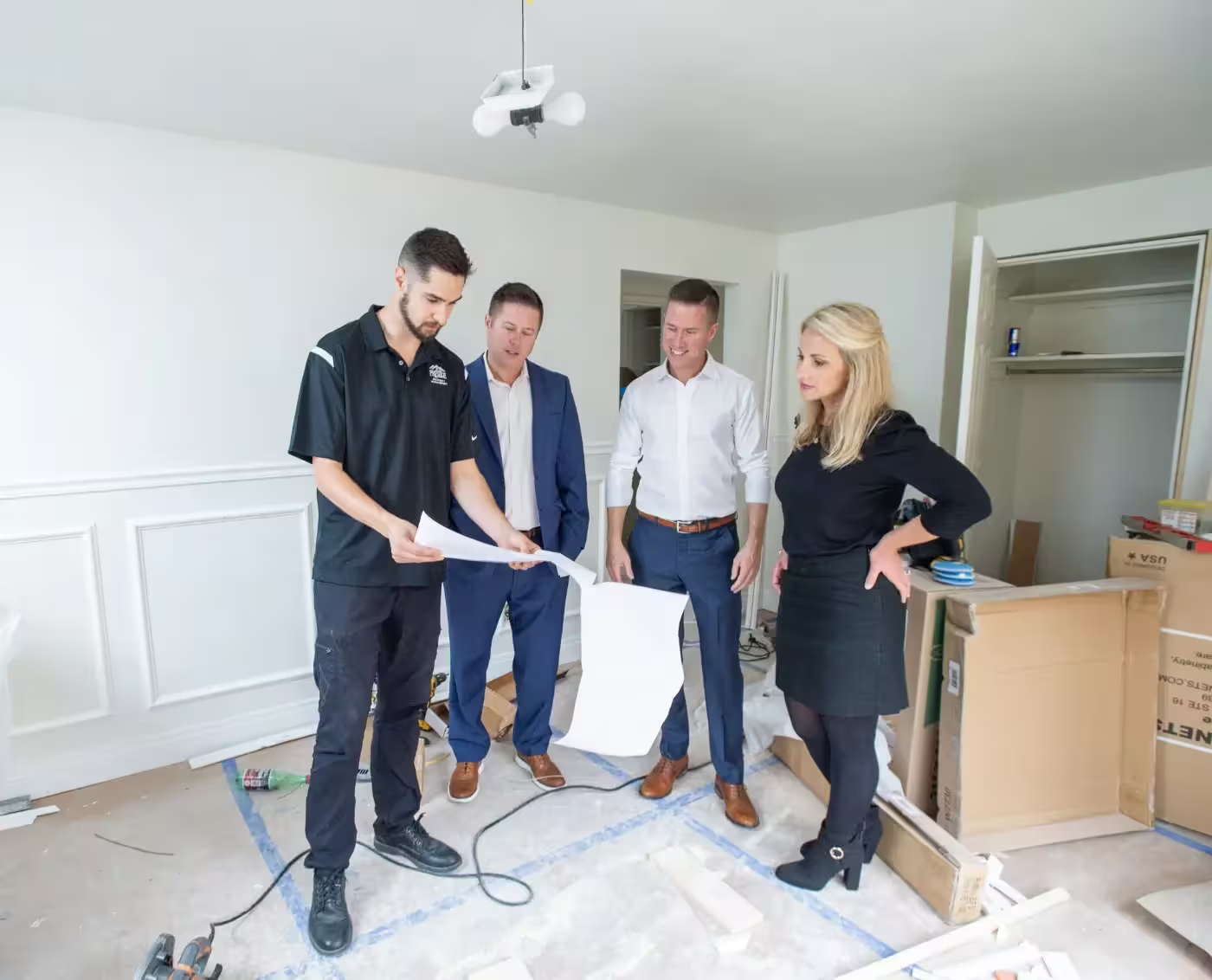
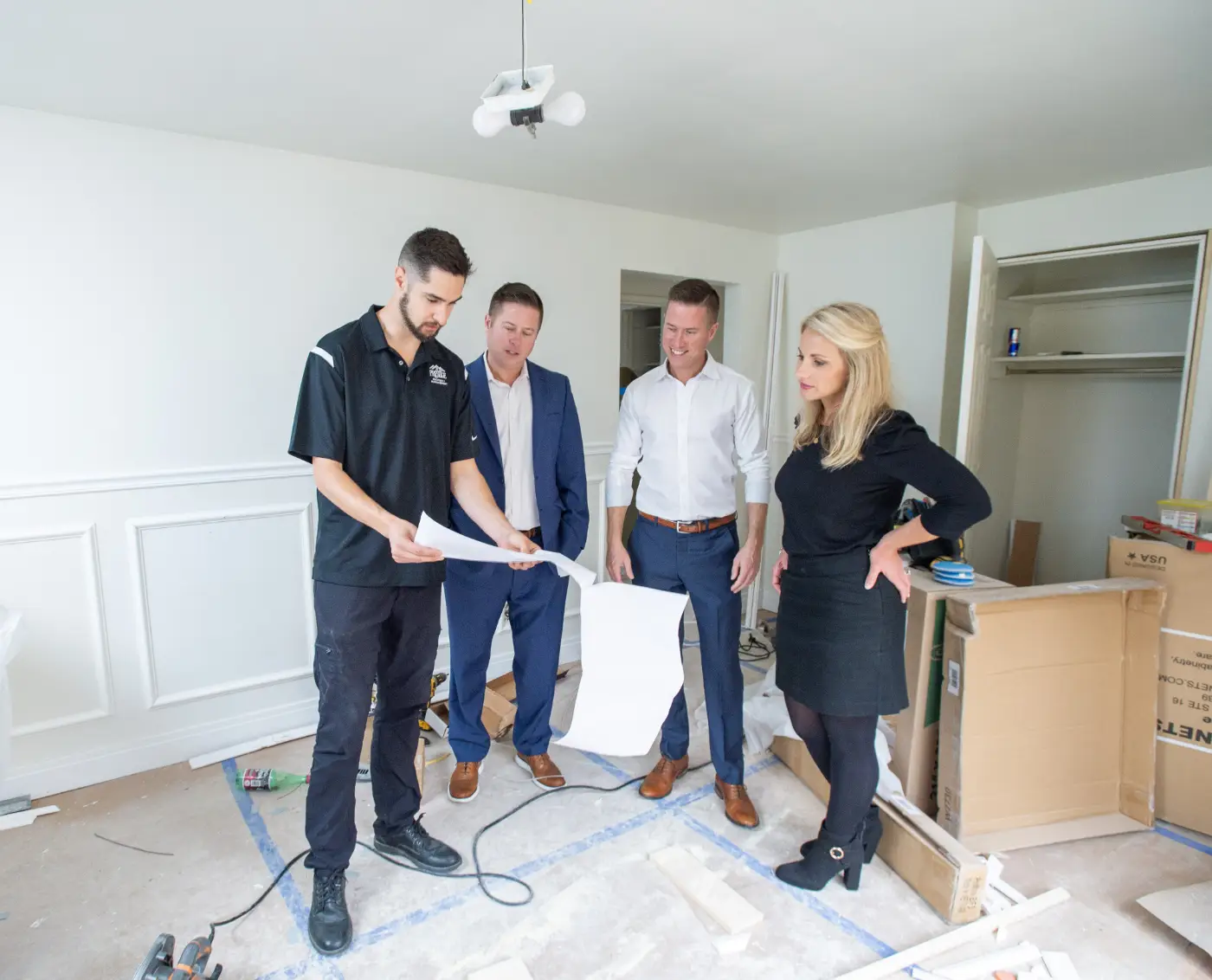
Mitch Painter inspecting interior renovation blueprints with the Prestige Properties project team
AT ITS CORE

A Simple Way to Think About Passive Apartment Investing

There are many details behind each investment, but the basic concept is simple: you provide capital, an experienced operator manages the property, and you participate economically as an owner while remaining passive.
01
You Provide Capital
You provide investment capital and participate in the ownership of an apartment investment without taking on the day-to-day responsibilities of operating the property.
02
The Operator Finds the Opportunity
An experienced operator identifies and acquires an apartment community, evaluating the property, arranging financing, and developing a strategy for the investment.
03
The Operator Executes
The operator executes the business plan and manages the property, overseeing operations, improvements, residents, and the day-to-day responsibilities required to operate the apartment community.
04
The Property Performs
The property may generate income through rents and other revenue, while improvements in operations, occupancy, and property income may contribute to an increase in its value
over time.
05
You Participate as an Owner
You participate economically as an owner while remaining passive, allowing the experienced operator to handle the work while you remain invested in the apartment community.
WHY PRESTIGE
Prestige wasn't created as a capital-raising company. Since 1998, we have primarily used our own capital to acquire and operate real estate. That history matters to us. We approach investments as owners because that's what we are.
Today, Prestige owns and operates approximately 700 apartment homes and has completed more than 1,500 real estate transactions. As the multifamily market changes, we believe opportunities are emerging that may allow experienced buyers to acquire attractive properties at compelling bases.
Rather than pursue every future opportunity solely with our own capital, we are selectively developing relationships with accredited investors who want to invest alongside us.
Start by Learning.

Your Next Step

You don’t need to decide today whether passive apartment investing is right for you. Understand how apartments work as investments. Decide what you want from your portfolio. Get to know the people you may invest alongside. And ask plenty of questions before committing capital.
Schedule A Conversation
THE PASSIVE INVESTOR’S GUIDE

The Passive Investor’s Guide to Building Wealth Through Apartments

A practical, step-by-step introduction to owning apartments without becoming a landlord. Passive apartment investing allows you to invest alongside an experienced owner and operator while someone else handles the work.

You provide investment capital and participate in the potential financial benefits of ownership while the operating partner handles acquisition, financing, renovations, residents, and day-to-day operations.

Download the Guide
Step 001

Understand Why Investors Choose Apartments

Apartments serve a fundamental need: people need places to live. They can also operate as businesses that generate recurring revenue from residents.

01
Potential Passive Income
Rent creates recurring property revenue. After expenses, debt service, reserves, and other obligations, available cash flow may be distributed to investors.
02
Long-Term Appreciation
Property values may increase as rents grow, operations improve, debt is reduced, and market conditions change.
03
Diversification
Apartments add physical real estate to portfolios that may otherwise be concentrated in stocks, bonds, retirement accounts, or private businesses.
04
Potential Inflation Hedge
Rents and property values may increase over time, while fixed-rate debt remains fixed.
05
Potential Tax Benefits
Depreciation and other deductions may provide potential tax advantages depending on the investment and individual circumstances.
06
Professional Ownership
Participate in apartment ownership without personally managing rent, employees, maintenance, financing, construction, or residents.
01
Potential Passive Income
Rent creates recurring property revenue. After expenses, debt service, reserves, and other obligations, available cash flow may be distributed to investors.
03
Diversification
Apartments add physical real estate to portfolios that may otherwise be concentrated in stocks, bonds, retirement accounts, or private businesses.
05
Potential Tax Benefits
Depreciation and other deductions may provide potential tax advantages depending on the investment and individual circumstances.
02
Long-Term Appreciation
Property values may increase as rents grow, operations improve, debt is reduced, and market conditions change.
04
Potential Inflation Hedge
Rents and property values may increase over time, while fixed-rate debt remains fixed.
06
Professional Ownership
Participate in apartment ownership without personally managing rent, employees, maintenance, financing, construction, or residents.
Mitch Painter and Matt Painter at Prestige Properties office.
Step 002

Understand Why Investors Choose Apartments

You would need to find the property, negotiate the purchase, conduct due diligence, arrange millions of dollars of financing, provide the equity, obtain insurance, develop a renovation plan, hire employees and contractors, lease apartments, collect rent, manage residents, maintain the property, oversee accounting, and eventually determine when to refinance or sell.

‍Passive investing separates the investment from those day-to-day responsibilities. The operating partner handles the work. The passive investor provides capital and receives an ownership interest in the investment.

‍At Prestige, our team handles the investment process from acquisition through operations. Importantly, we also invest our own capital alongside our investors, so we are financially committed to the opportunities we offer.

Step 003

Understand How an Apartment Investment Can Make Money

Apartment investments generally have three primary potential sources of investor return: cash flow, appreciation, and the potential proceeds from a sale or refinancing.

01
Cash Flow
The property collects rent and other income. From that revenue, the property pays expenses such as payroll, maintenance, utilities, insurance, property taxes, management costs, and mortgage payments.
02
Appreciation
The property may become more valuable during the investment period. Some appreciation may come from market conditions, but experienced apartment operators do not necessarily want to rely exclusively on the market.
03
Sale or Refinancing
If the property increases in value, ownership may eventually refinance it or sell it. A refinancing may allow some capital to be returned while investors continue owning the property. A sale concludes the investment and distributes.
Step 004

Learn How Value is  Actually Created

A Business Plan May Include
Renovating outdated apartment interiors
Improving kitchens and bathrooms
Updating common areas
Improving landscaping and curb appeal
Completing deferred maintenance
Improving leasing and marketing
Increasing occupancy
Bringing below-market rents closer to market levels over time
Improving resident retention
Managing operating expenses
Step 005

Understand the Power of Increasing Property Income

One of the most important concepts in apartment investing is surprisingly simple:

A better-performing property is generally a more valuable property.

Suppose an apartment community has outdated units, below-market rents, unnecessary expenses, or operational inefficiencies. An experienced owner may see an opportunity. Renovating apartments and improving operations can increase the property's net operating income, commonly called NOI.

NOI is essentially the property's income after operating expenses but before mortgage payments and certain other costs. In commercial real estate, property value is closely tied to NOI and the capitalization rate investors are willing to accept. That means even relatively modest improvements in income across dozens or hundreds of apartments can create meaningful additional property value. This is one reason operating experience matters so much.

Step 006

Understand the  investment structure

Passive apartment investments are typically made through a legal entity created to own the property.

Rather than personally owning Apartment 101 or 202, an investor owns an interest in the entity that owns the apartment community.
The operating partner—or sponsor—manages the investment.

Purchase price
Financing
Planned improvements
Investment strategy
Minimum investment
Target investment period
Projected cash flow
Target investor returns
Fees
Distribution structure
Potential risks
Exit strategy
Step 007

Know What to Look for  in an Operator

The people operating it matter just as much. When evaluating a passive real estate investment, don't look only at the projected return.

‍Ask who is responsible for actually making the business plan happen.

Consider:
Renovating outdated apartment interiors
Improving kitchens and bathrooms
Updating common areas
Improving landscaping and curb appeal
Completing deferred maintenance
Improving leasing and marketing
Increasing occupancy
Moving below-market rents toward market rates
Improving resident retention
Managing operating expenses
Step 008

Look Beyond the  Projected Return

A disciplined investor should look closely at what assumptions have to occur for that return to be achieved. If an investment projects significant rent increases, ask whether current market rents support them.

‍If the plan assumes a future sale price, understand how that value was calculated.
If renovations are central to the strategy, understand the renovation budget and expected return on those improvements.

Mitch Painter and Matt Painter at Prestige Properties office.
Purchase price
Existing rents
market rents
Renovation assumptions
Financing terms
Reserves
Future sale assumptions
Current property income
Occupancy
Operating expenses
Interest-rate exposure
Projected rent growth
Step 009

Understand the Risks—and How Experienced Ownership Can Help Manage Them

Every investment involves risk, and apartment investing is no exception.

Renovating outdated apartment interiors
Improving kitchens and bathrooms
Updating common areas
Improving landscaping and curb appeal
Completing deferred maintenance
Improving leasing and marketing
Increasing occupancy
Bringing below-market rents closer to market levels over time
Improving resident retention
Managing operating expenses
Step 010

Decide Whether Passive Apartment Investing Fits Your Portfolio

Passive apartment investing isn't right for everyone.
Want to diversify beyond stocks and bonds
Prefer owning tangible assets
Are interested in potential passive income
Want exposure to real estate without becoming a landlord
Are looking for assets that may provide a hedge against inflation
Have capital you can invest for several years
Understand that returns are not guaranteed
Are comfortable with an illiquid private investment
What role do I want real estate to play in my overall portfolio?
The answer is more important than simply asking whether a particular investment has an attractive projected return.
Step 011

Get to Know the Operator Before the Opportunity

One of the worst times to begin evaluating an investment manager is when an attractive opportunity has just been announced and you feel pressure to make a decision. Get to know the people beforehand.

Learn their history. Understand their investment philosophy. Ask questions. See how they operate. Understand how they communicate. Determine whether their approach fits yours. That is why Prestige is building investor relationships before our next opportunity becomes available.

Since 1998, we have primarily invested our own capital. As we see what we believe is an attractive opportunity emerging in multifamily real estate, we're beginning to invite a select group of accredited investors to invest alongside us. We would rather develop relationships now than introduce ourselves for the first time when we're asking someone to make an investment decision.
Mitch Painter inspecting interior renovation blueprints with the Prestige Properties project team
Step 012

Know What Happens  When an Opportunity Becomes Available

When Prestige identifies an apartment investment that meets our criteria, prospective investors will receive information explaining the specific opportunity.

That information should allow you to evaluate the property, strategy, financing, projected economics, risks, and investment structure. Your job isn't to say yes to every opportunity. It is to determine whether that particular opportunity makes sense for you. Review the materials.

Ask questions. Discuss the investment with your financial, legal, and tax advisers when appropriate. Consider how much capital you're comfortable committing. And invest only when you understand the opportunity and believe it fits your objectives.

at its core

A Simple Way to Think About Passive Apartment Investing

There are many details behind each investment, but the basic concept is simple: you provide capital, an experienced operator manages the property, and you participate economically as an owner while remaining passive.

01
You Provide Capital
You provide investment capital and participate in the ownership of an apartment investment without taking on the day-to-day responsibilities of operating the property.
02
The Operator Finds the Opportunity
An experienced operator identifies and acquires an apartment community, evaluating the property, arranging financing, and developing a strategy for the investment.
03
The Operator Executes
The operator executes the business plan and manages the property, overseeing operations, improvements, residents, and the day-to-day responsibilities required to operate the apartment community.
04
The Property Performs
The property may generate income through rents and other revenue, while improvements in operations, occupancy, and property income may contribute to an increase in its value over time.
05
You Participate
as an Owner
You participate economically as an owner while remaining passive, allowing the experienced operator to handle the work while you remain invested in the apartment community.
01
You Provide Capital
You provide investment capital and participate in the ownership of an apartment investment without taking on the day-to-day responsibilities of operating the property.
03
The Operator Executes
The operator executes the business plan and manages the property, overseeing operations, improvements, residents, and the day-to-day responsibilities required to operate the apartment community.
05
You Participate
as an Owner
You participate economically as an owner while remaining passive, allowing the experienced operator to handle the work while you remain invested in the apartment community.
02
The Operator Finds the Opportunity
An experienced operator identifies and acquires an apartment community, evaluating the property, arranging financing, and developing a strategy for the investment.
04
The Property Performs
The property may generate income through rents and other revenue, while improvements in operations, occupancy, and property income may contribute to an increase in its value over time.
WHY PRESTIGE
Prestige wasn't created as a capital-raising company. Since 1998, we have primarily used our own capital to acquire and operate real estate. That history matters to us. We approach investments as owners because that's what we are.
Today, Prestige owns and operates approximately 700 apartment homes and has completed more than 1,500 real estate transactions. As the multifamily market changes, we believe opportunities are emerging that may allow experienced buyers to acquire attractive properties at compelling bases.
Rather than pursue every future opportunity solely with our own capital, we are selectively developing relationships with accredited investors who want to invest alongside us.
Start by Learning.

Your Next Step

You don’t need to decide today whether passive apartment investing is right for you. Understand how apartments work as investments. Decide what you want from your portfolio. Get to know the people you may invest alongside. And ask plenty of questions before committing capital.
Learn More About Prestige