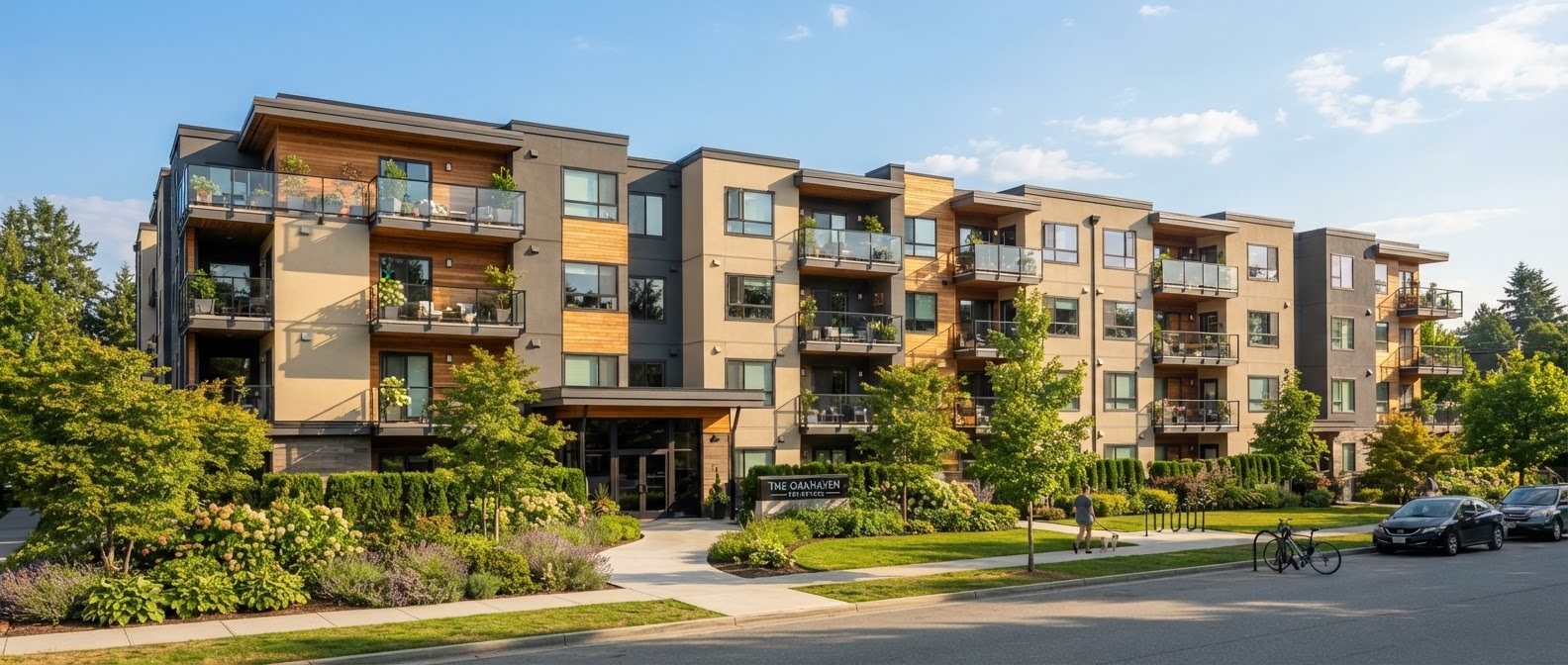


When you invest passively in an apartment community, you are trusting a team to make hundreds of decisions on your behalf. That is why the most important part of any deal is not the projected return. It is understanding how that return was built, and who is responsible for delivering it.
At Prestige, we spend a lot of time talking with investors who are evaluating their first multifamily opportunity. In this article, I'll walk through the key factors we look at, and the ones we encourage every passive investor to look at too.

1. The Sponsor Team
A great property can still struggle in the wrong hands. Before you look at a single number, look at the people behind the deal. How long have they owned and operated apartments? How have they performed through different market cycles? Are they invested alongside you?
Track record matters, but so does transparency. A good sponsor will share what has gone well, what has not, and what they learned from both.
Multifamily real estate has always been about people. The best investments start with teams you trust.
2. The Market and the Location
Strong markets share a few common traits: population and job growth, a diverse employment base, and a healthy balance between new housing supply and renter demand. Within a market, the specific submarket and neighborhood matter just as much. Proximity to employers, schools, and everyday amenities helps keep an apartment community full through all kinds of conditions.
3. The Business Plan
Every deal should have a clear, simple story. What is the property today, what will we do to improve it, and how does that improvement create value? Whether the plan involves renovating units, improving operations, or both, you should be able to explain it in a few sentences.
Be cautious of plans that depend on everything going right. We prefer strategies that can succeed with steady, realistic execution.

4. Conservative Underwriting
Underwriting is where assumptions turn into projections. Look closely at the assumptions around rent growth, occupancy, expenses, and the exit. Ask how the deal performs if rents are flat, if expenses rise faster than expected, or if the sale takes longer than planned.
A deal that only works under optimistic assumptions is not a deal we want to own.
5. Debt Structure and Reserves
Financing can strengthen a deal or put it at risk. Understand the loan term, the interest rate structure, and whether the business plan leaves enough room to handle surprises. Healthy reserves are one of the clearest signs of a sponsor who plans for the unexpected.
6. Alignment and Communication
Finally, look at how the sponsor is paid and how often you will hear from them. Fees should be clear, and the sponsor's success should be tied to yours. Regular, honest reporting builds the kind of trust that long-term partnerships are built on.
If you'd like to learn more about how we evaluate opportunities, or what's available to qualified investors, we'd love to connect.

.svg)